
What Tolerances Can CNC Machining Achieve (and When You’re Over-Specifying)
In CNC machining, tolerance is where engineering intent meets manufacturing reality. Specify it too loosely, and parts may not function as intended. Specify it too tightly, and costs, lead times, and scrap rates can climb fast—often with no real performance benefit.
So what tolerances can CNC machining realistically achieve? And how do you know when you’re asking for more precision than your part actually needs?
Let’s break it down.
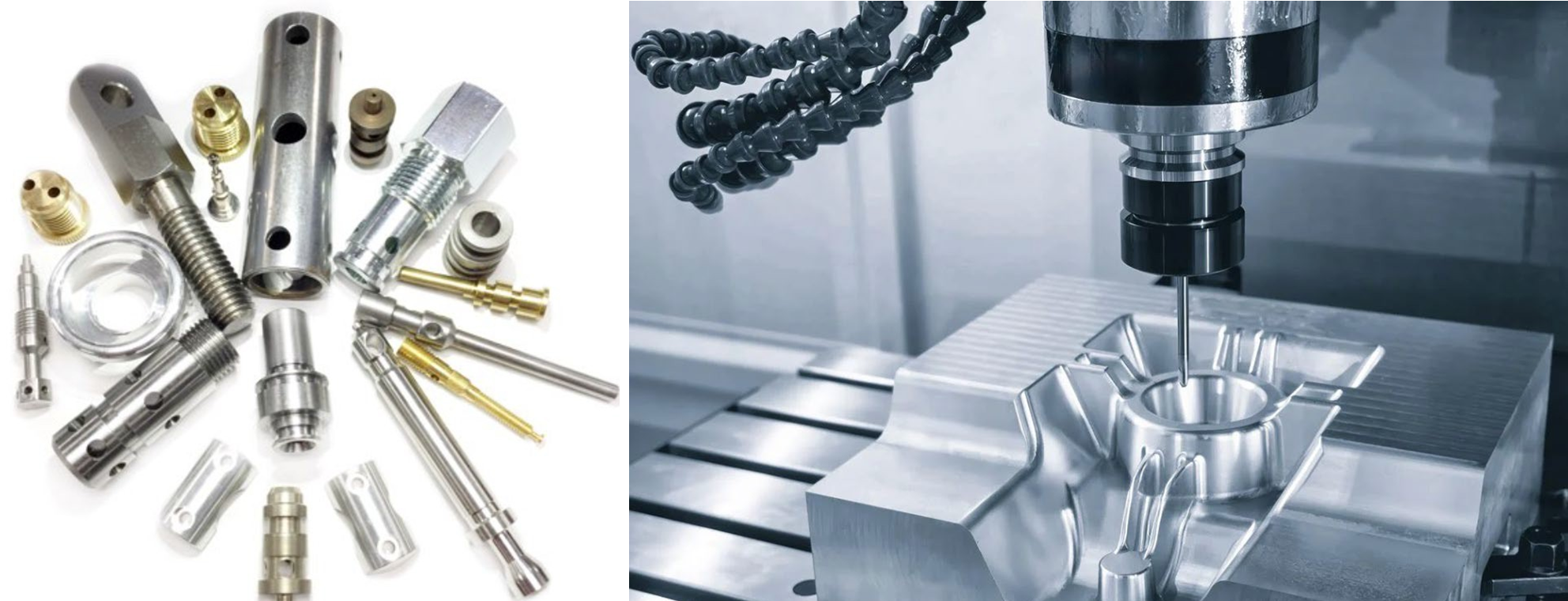
What Are CNC Machining Tolerances?
A machining tolerance defines the allowable variation from a nominal dimension. For example, a dimension of 10.00 ± 0.05 mm means the final part can measure anywhere between 9.95 mm and 10.05 mm and still be acceptable.
Tighter tolerances require:
- More precise machines
- Slower cutting speeds
- Additional inspection and process control
- Greater operator skill
All of that adds cost—sometimes dramatically.
Typical Tolerances CNC Machining Can Achieve
Modern CNC machines are incredibly capable, but “capable” doesn’t always mean “economical.” Here’s a realistic breakdown of what you can expect.
Standard Machining Tolerances
For most CNC-machined parts, a general tolerance of:
- ±0.125 mm (±0.005 in)
is very achievable, cost-effective, and widely used across industries.
This range works well for:
- Structural components
- Brackets and housings
- Non-mating features
- Cosmetic or clearance dimensions
Tight Tolerances
With optimized processes, CNC machining can reliably hold:
- ±0.025 mm (±0.001 in)
This level is common for:
- Precision mating parts
- Bearing seats
- Locating features
- Functional interfaces
Expect increased inspection time and more controlled setups at this level.
Ultra-Tight Tolerances
In specialized cases, tolerances as tight as:
- ±0.005–0.010 mm (±0.0002–0.0004 in)
are possible—but not across an entire part. These tolerances usually require:
- Dedicated tooling and fixturing
- Temperature-controlled environments
- Secondary processes like grinding or honing
- Higher scrap risk
They should be applied only where function absolutely demands it.
The Hidden Cost of Over-Specifying Tolerances
Over-specification is one of the most common—and expensive—design mistakes we see.
Here’s what happens when tolerances are tighter than necessary:
- Higher part cost due to slower cycle times
- Longer lead times from added setups and inspections
- Increased scrap rates for perfectly usable parts
- Limited supplier options, especially at scale
In many cases, loosening a tolerance slightly can reduce cost by double-digit percentages with zero impact on performance.
When Tight Tolerances Are Justified
Tight tolerances make sense when they directly support function, safety, or reliability. Examples include:
- Press fits or interference fits
- Sealing surfaces
- Precision alignment features
- High-speed rotating components
- Optical or aerospace interfaces The key question to ask is:
“What happens if this feature is slightly out of tolerance?”
If the answer is “nothing meaningful,” the tolerance is probably tighter than it needs to be.
Design Smarter: Tolerance Only What Matters
A best-practice approach is selective tolerancing:
- Apply tight tolerances only to critical features
- Use general tolerances elsewhere
- Clearly identify datum references
- Avoid blanket tolerances across the entire drawing
This approach gives manufacturers flexibility while preserving the performance of your part.
How We Help Customers Get It Right
As a manufacturing partner, our job isn’t just to make parts—it’s to help you make better parts.
We regularly work with customers to:
- Review drawings for over-tolerancing
- Suggest cost-saving tolerance adjustments
- Match tolerances to real-world function
- Balance precision, performance, and price
The result? Parts that meet requirements without unnecessary cost or delay.
Final Takeaway
CNC machining is capable of remarkable precision—but precision always comes at a price. The smartest designs aren’t the tightest ones; they’re the ones that apply tight tolerances only where they matter.
If you’re unsure whether your tolerances are driving value or just driving cost, a quick
design review can make all the difference.
Have a part you’d like us to evaluate? Our engineering team is happy to help.